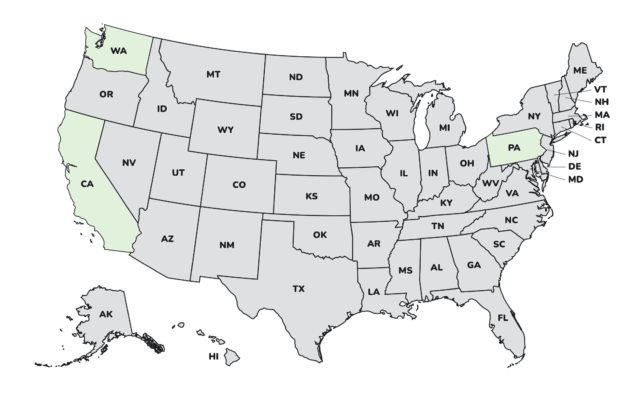
On July 6, 2026, the CDC and FDA updated their joint investigation of the infant botulism outbreak linked to Nara Organics Whole Milk Organic Powdered Infant Formula. A fourth infant has now been confirmed sick. All four babies — every one of them a boy between two and five months old — were hospitalized and treated with BabyBIG, the botulism immune globulin. Thankfully, no child has died. But four families have now lived through every parent’s nightmare because of a can of formula they trusted.
Here is where things stand as of the latest update:
- 4 confirmed cases of infant botulism (up from 3) across 3 states — California (2), Pennsylvania (1), and Washington (1).
- All 4 infants were hospitalized. Zero deaths.
- Illness onset dates range from April through May 2026.
- Laboratory testing confirmed Clostridium botulinum in an open can of Nara formula fed to one of the sick infants.
- FDA is now testing an unopened sample from the same lot, with more results expected in the coming weeks.
Back when the ByHeart recall was unfolding in late 2025, Nara Organics posted a page on its own website titled “Information for Families Affected by the ByHeart Recall.” The message to frightened parents looking for a safe alternative could not have been more confident:
“Please be assured that Nara Organics is not affected by this recall and our formula is safe to drink. Your baby’s safety is our highest priority, and we hold ourselves to the most rigorous standards in the industry.”
That page is still live as I write this. It told the very parents fleeing one botulism recall to come feed their babies a formula that would, months later, be pulled from shelves in its own botulism recall. I have been doing this work for more than thirty years, going back to the 1993 Jack in the Box E. coli outbreak, and I have read a lot of corporate reassurances that curdled. This one belongs in the hall of shame.
I do not doubt that the mom who founded Nara believed every word of it. That is exactly the problem. Confidence is not a safety system. “We hold ourselves to the most rigorous standards” is a marketing sentence, not a food safety result — and it is worth remembering that Nara’s page also boasted the formula was “made in Germany” by a partner with “over 70 years of experience.” None of that stopped C. botulinum from ending up in a can fed to an infant.
Here is what turns this from a tragedy into a scandal. According to FDA’s June 26 update, the specific lots of Nara formula the sick infants consumed were made with milk supplied by Organic West Milk and spray dried by Dairy Farmers of America (DFA).
Those are the same two suppliers tied to the 2025 ByHeart infant formula botulism outbreak. The same milk source. The same spray dryer. A different brand on the label, but the same upstream ingredients flowing into babies’ bottles.
And it gets worse. FDA says that during the ByHeart investigation, Organic West Milk provided FDA with an incomplete customer list — a list that did not disclose that Organic West was also supplying milk to the manufacturers of Nara Organics formula. Regulators were investigating a deadly infant botulism outbreak. They asked who else was getting this milk. And they were not told about Nara.
If FDA had been given a complete and accurate customer list in 2025, investigators might have been looking hard at Nara’s supply chain months earlier — before four more babies got sick. This is precisely the supply-chain foreseeability problem I have been writing about for months. When the same milk and the same powder feed multiple brands, a contamination event is never really “one company’s problem.” It is a systemic problem.
FDA has also confirmed that, before this outbreak, it inspected and issued citations to two facilities that manufacture Nara’s formula. Both firms have submitted corrective-action responses that are still under review. Citations before an outbreak. An incomplete customer list during the last outbreak. Shared suppliers across both. Foreseeable does not begin to cover it.
If you have Nara Organics Whole Milk Organic Powdered Infant Formula in your home, stop using it immediately. It was sold nationwide through Target stores, Target.com, and Nara.com between July 2025 and June 2026, and all of it has been recalled.
- Before you throw a container away, photograph the label, lot number, and expiration date.
- Consider keeping any opened formula sealed and labeled “DO NOT USE,” stored away from your baby’s food, for at least a month in case your health department wants to test it.
- Wash any items or surfaces that touched the formula with hot, soapy water or in the dishwasher.
Know the symptoms of infant botulism. It often starts with constipation, then shows up as poor feeding, a weak or altered cry, loss of head control, difficulty swallowing, and decreased facial expression. It can progress to trouble breathing. Symptoms can take days to weeks to appear after the formula is eaten. If your baby shows any of these signs, seek medical care immediately.
Physicians who suspect infant botulism should call the Infant Botulism Treatment and Prevention Program at 510-231-7600 — available 24/7 — for case consultation and to arrange BabyBIG treatment.
I represent families in both the ByHeart and Nara outbreaks, so I am not a neutral observer, and I will not pretend to be. But you do not need to be a plaintiffs’ lawyer to see the pattern here. Two infant formula botulism outbreaks. The same milk supplier. The same spray dryer. An incomplete disclosure to federal investigators. And a company page telling scared parents that its formula was the safe harbor — right up until it wasn’t.
Babies are the most vulnerable consumers there are. They eat one thing, and they cannot tell you when something is wrong. Formula companies and their suppliers know this, which is exactly why the standard of care has to be near-perfect. “Trust us” is not a food safety plan. Complete customer lists, honest disclosures to regulators, and rigorous testing that actually catches C. botulinum before it reaches a bottle — that is the plan. Four families are living with the consequences of the gaps.
And that is exactly why I have been pushing Congress to act. I have written to both the House Energy and Commerce Committee and the Senate HELP Committee urging passage of the Infant Formula Safety Modernization Act of 2026 (H.R. 7867) and its Senate companion, S. 272 — and urging both committees to open hearings. Regulators need the clear authority, and the mandate, to compel complete supplier customer lists, to require finished-product and environmental testing for C. botulinum, and to trace a shared ingredient into every brand it touches before babies get sick, not after. Two botulism outbreaks tied to the same milk, ought to be more than enough to put a hearing on the calendar. If that is not enough, I honestly do not know what would be.
Botulism
Botulism is rare, but there is nothing else quite like it. The toxin produced by Clostridium botulinum is among the most potent poisons known, and it attacks the nervous system, causing a descending paralysis that can stop a person’s breathing. Marler Clark, The Food Safety Law Firm, is the nation’s leading firm representing victims of botulism outbreaks. Our botulism lawyers have represented thousands of victims in the only U.S. law practice devoted exclusively to foodborne illness, which has recovered more than $850 million for victims and families nationwide. We have handled botulism cases arising from carrot juice, pesto, cheese, chili, and improperly home-canned foods. Infant botulism works differently from the foodborne kind: rather than swallowing pre-formed toxin, a baby ingests spores that colonize the immature gut and produce the toxin there. Today we represent infants sickened in recent powdered infant formula botulism outbreaks, and we are working with Congress to pass legislation aimed at preventing the next one.
If you or a family member developed botulism after eating contaminated food, contact the Marler Clark botulism attorneys for a free case evaluation.
FAQ
What is botulism?
Botulism is a rare but life-threatening illness caused by a nerve toxin from the bacterium Clostridium botulinum, one of the most potent poisons known. It causes a descending paralysis that can stop breathing. Infant botulism differs from the foodborne form: a baby swallows spores that grow in the immature gut and produce the toxin there.
What foods cause botulism?
Improperly home-canned foods are the classic source, but outbreaks have also come from commercial products such as carrot juice, pesto, cheese sauce, and chili. Infant botulism has been linked to spores in honey and, more recently, in powdered infant formula.
What is infant botulism?
In infant botulism, a baby ingests C. botulinum spores that colonize the immature intestine and produce toxin internally. Early signs include constipation, a weak cry, poor feeding, and loss of muscle tone—the “floppy baby” presentation.
Is powdered infant formula being investigated?
Yes. We currently represent infants sickened in recent powdered infant formula botulism outbreaks, and we are working with Congress on legislation to require testing that could prevent the next one.
What should I do if my baby has these symptoms?
Seek emergency medical care immediately; infant botulism is treatable, and early treatment improves outcomes. Preserve any formula, containers, and lot numbers.
Additional Resources:
- About Botulism — a complete online resource on botulism and its causes
- Botulism Blog — current news on botulism outbreaks and research